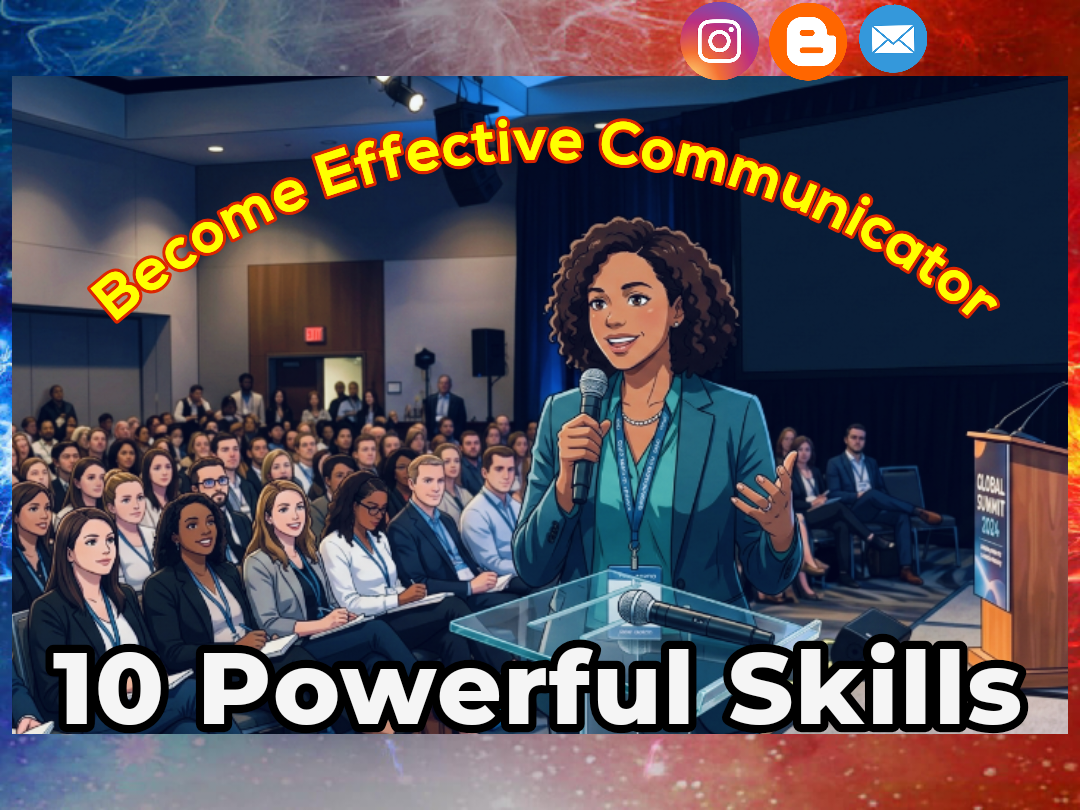
Effective communication is one of the most valuable skills you can develops , whether you having one on one conversion , Leading a team or speaking a large audience .
The way you communicate can determine , whether people understand your message or simply ignore it. communication not only about choosing the right words , It is about listening , timimg , tone , body Language, Empathy and Understanding the person on the other side . Great communication create trust , strengthens , relationships ,Improves careers and helps yours ideas make a lasting impact.
Today I am Going To Discuss some Tips For Effective Communication Skill
As Below
Number 1 :- Listening for understanding
Lots of People listen while preparing for their next response. Truely Effective Communicator do completely different, They first listen to Understand . Always Stay with them & Give Attention to other person. Focus On Their Word What They try to say Keep Away from Distraction, Avoid interrupting. Absorb their tone , Facial expression and emotions.
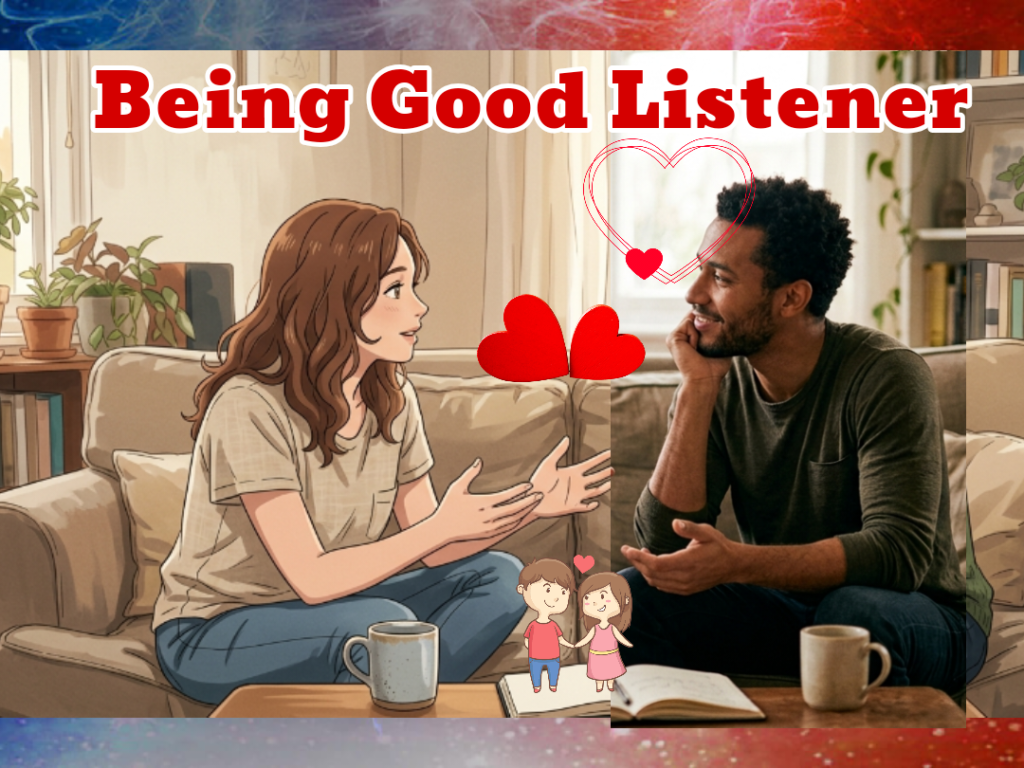
Sometime most important message of there communication is remains . Instead of immediately response or giving advice ask yourself ” What they really want to tell you? ” Simply respond them tell me more about that or what next . You are saying that can show people that you have genuinely heard them .
When Person feel someone listen him Carefully. They become more comfortable with you . Then communication between you and them become more effective and possible.
2. Take Breath & Use Pause Inbetween :-
You do not need to fill every second of Words . Though before responding and take small short pause .
A short pause before responding
can make you appear more thoughtful,
confident, and composed.It gives you time to organize your thoughts and gives the other person time to process your message. Pauses are especially useful after an important statement or before answering a
difficult question. They can also prevent emotional reactions. Instead of responding immediately when you’re angry or frustrated, take a breath and give yourself a moment.
Silence isn’t always awkward. Sometimes silence is where understanding begins.
3. Accept the All Type of Audiance
- A message that works perfectly for one person may
completely fail with another. - Effective communicators understand who they’re speaking to before deciding how to deliver their message.
- Consider the person’s knowledge,
personality, priorities, culture, and
current situation. Someone who wants quick results may prefer a short direct explanation. - Someone who enjoys detail may appreciate a deeper discussion.
This doesn’t mean pretending to be
someone you’re not. - It means presenting the same core idea in a way the other person can understand and appreciate.
- Communication becomes much stronger when you meet people where they are.
4. Use Simple & Proper Word to deliver Message :-
i) Complex language doesn’t automatically make communication intelligent. In many situations, simplicity creates greater impact. Before speaking, identify the main idea you want people to remember.
ii) Then remove unnecessary words, complicated explanations, and irrelevant details. Use familiar language. Organize your thoughts logically. If you’re explaining something complicated, use an example, analogy, or story to make it easier to understand. Ask yourself, if the listener remembers only one thing from this conversation, what should it be?
iii) That question can instantly make your communication clearer. Remember,
simplicity isn’t about removing meaning,
it’s about removing confusion.
5. Manage ways of speaking or tone
Your words are only one part of your message.Your posture, facial expressions, eye contact, gestures, and tone can completely change how your words are interpreted. Imagine someone saying, “I’m happy to help.” while looking away and speaking with an irritated tone.
The words sound positive, but the nonverbal message says something else. Try to keep your body language consistent with your words, maintain comfortable eye contact, keep an open posture, and use natural expressions.
Your voice matters, too. Pay attention
to your pace, volume, and emphasis. When
your words and body language communicate the same message, you appear more authentic and trustworthy.
6. Attechment with Audience & Understand them
Empathy means trying to understand another person’s feelings and perspective, even when you don’t agree with them.
Instead of immediately judging someone’s reaction, become curious about it. Ask yourself, why might they feel this way? If someone is frustrated, don’t immediately tell them why they shouldn’t
be frustrated.
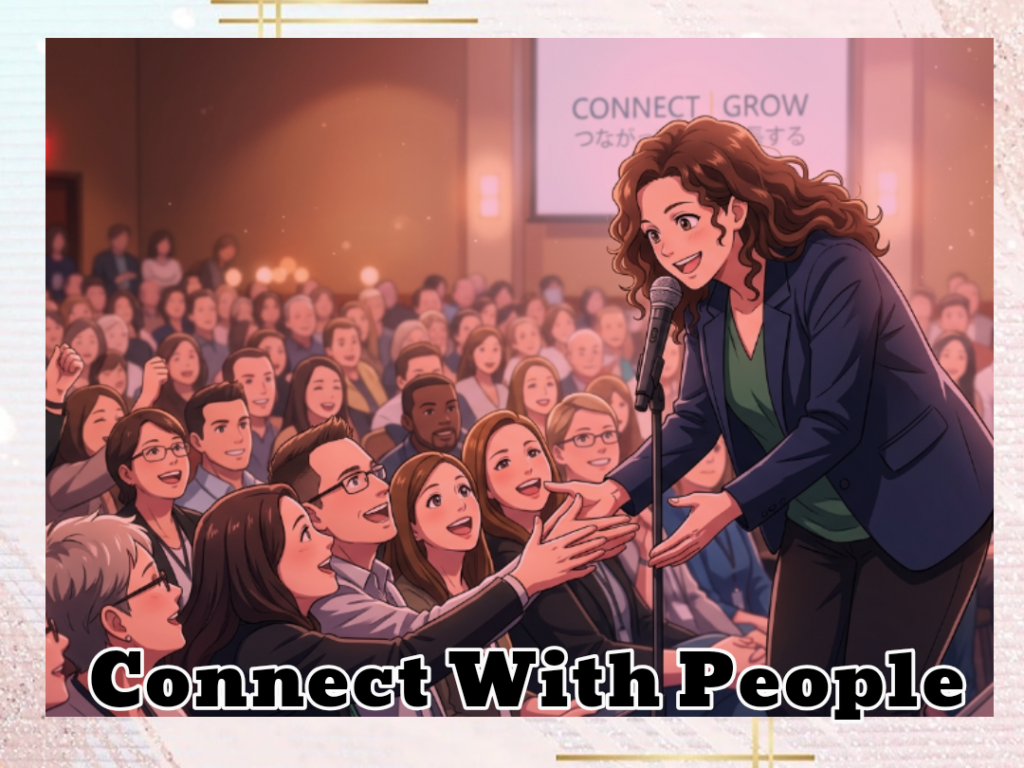
1. acknowledge what they’re experiencing. You might say, “I can understand why that situation was frustrating.” That simple recognition can reduce tension and create trust.
2. Empathy doesn’t mean agreeing with everything someone says. It means respecting their experience enough to understand where they’re coming from.
3.When people feel understood, difficult
conversations become much easier.
7. Asking Questions & Make them to speak:-
Good questions can take a conversation to a completely different level. Instead of asking questions that produce simple yes or no answers, use questions that encourage people to explain their thoughts.



For example, instead of asking,”Did you like the meeting?” ask, “What did you
think about the meeting?” Instead of saying, “Why didn’t you finish this?” try, “What challenges affected the timeline?” The second approach sounds less like an accusation and more like an invitation to communicate.
Ask questions that create curiosity, encourage reflection, and uncover information. But remember, asking questions is only half the skill. You must also listen carefully to the answers.
8. Build Your Message Effectively
The way you present an idea can
influence how people receive it. Framing
doesn’t mean manipulating people. It means explaining your message in a way that connects with their priorities and perspective. Start with common ground, explain why the subject matters, focus on benefits, solutions, and outcomes.
For example, instead of saying we’re behind schedule, you could say, “We
still have an opportunity to finish strongly if we focus on these priorities.” The facts may be similar, but the second version creates a more constructive mindset. Stories, examples, and relatable comparisons can also make your message more memorable. When people understand not only what you’re saying,
but why it matters to them, they’re much
more likely to pay attention.
9. Match Your Action with Words :-
Trust is built through consistency. If you promise something, follow through. If you say you value someone’s opinion, actually listen to it. If you tell people that honesty matters, demonstrate honesty through your own behavior. People notice when words and actionsdon’t match.



You don’t need to be perfect. Everyone makes mistakes. What matters is how you respond when you fall short. Acknowledge the mistake, communicate honestly, and make an effort to correct it.
Over time, consistent behavior creates credibility. People learn that they can
rely on what you say because your
actions support your words. That is the
foundation of trustworthy communication.
10. FINAL Message
Great communication isn’t about sounding impressive, it’s about creating understanding.
- Listen carefully, pause before reacting, adapt your message, keep your words simple, pay attention to body language, practice empathy, ask thoughtful questions, frame your ideas clearly, and most importantly, make sure your actions support your words.
- You don’t have to master all of these skills overnight. Choose one principle and practice it during your next
conversation, then choose another. With consistent effort, these behaviors will gradually become natural. - Every conversation is an opportunity to improve. When you communicate with clarity, empathy, confidence, and
intention, you don’t just exchange
information, you build trust, strengthen relationships, influence ideas, and create genuine connections. - Great communication isn’t something that simply happens. It is a skill you
deliberately build, and every
conversation gives you another chance to get better.
Visit Our site :- Indianposter.com